
































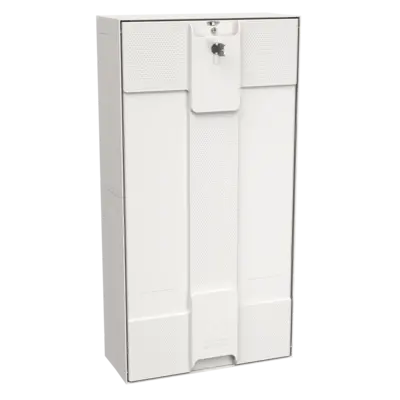
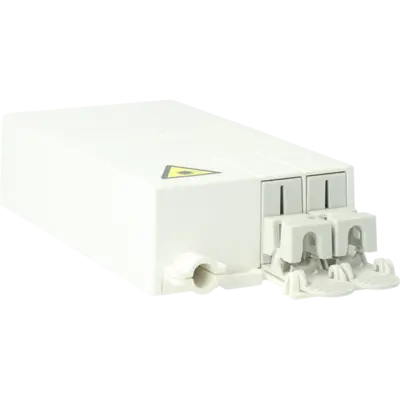


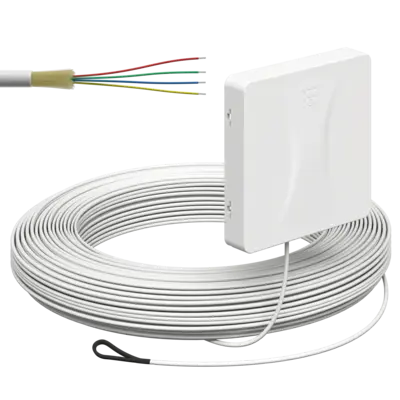






























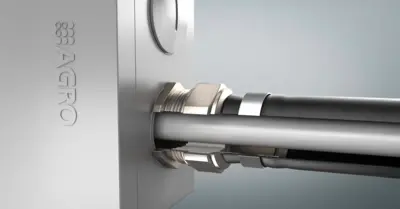







One-gang junction box for radiation-protection walls – lead-free
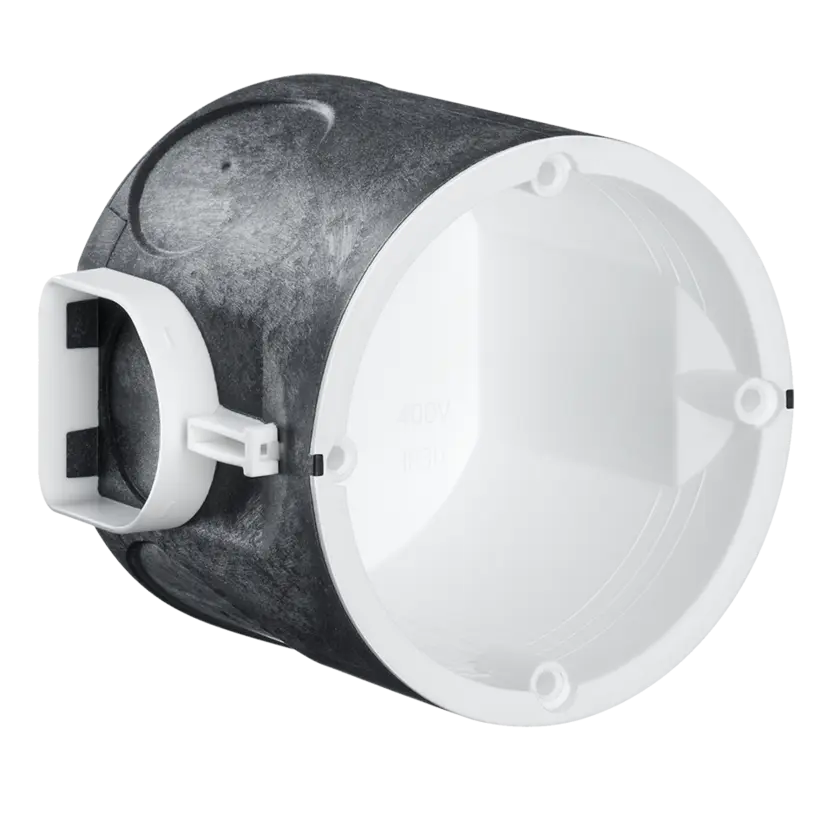
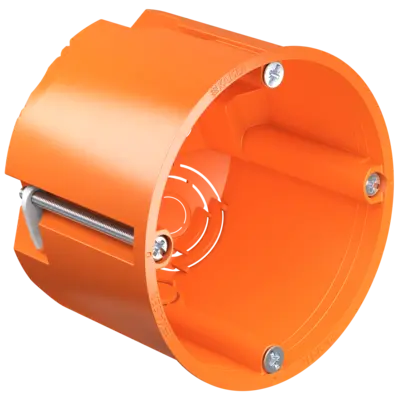
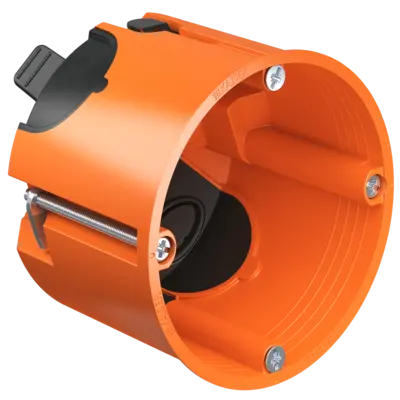
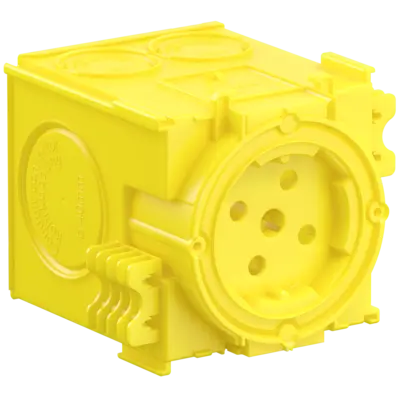
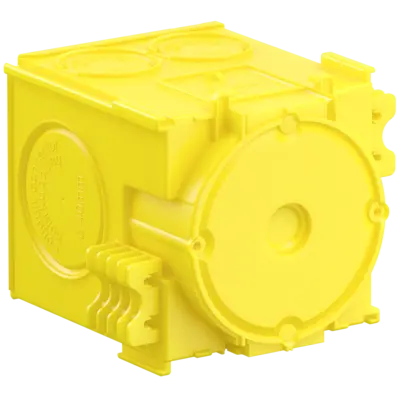
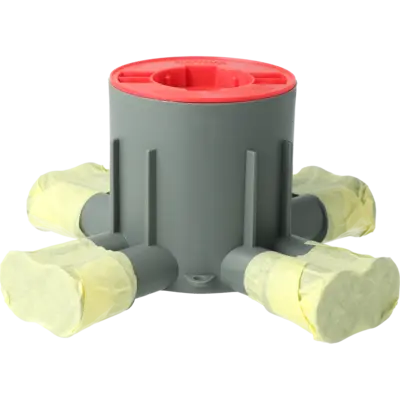
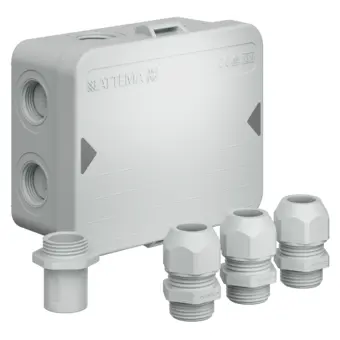
One-gang junction box for radiation-protection walls – lead-free
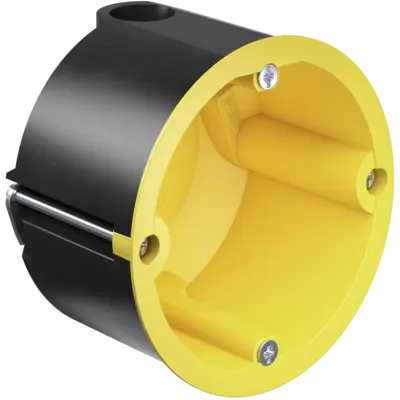
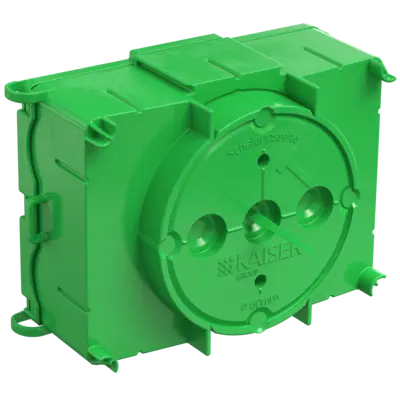
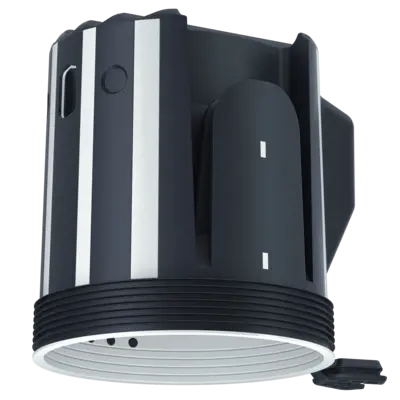
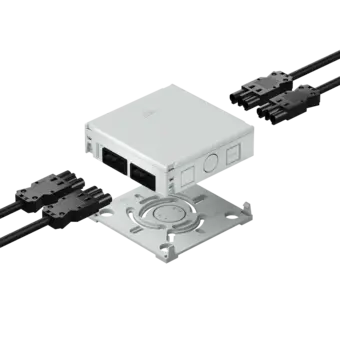
One-gang junction box – lead-lined
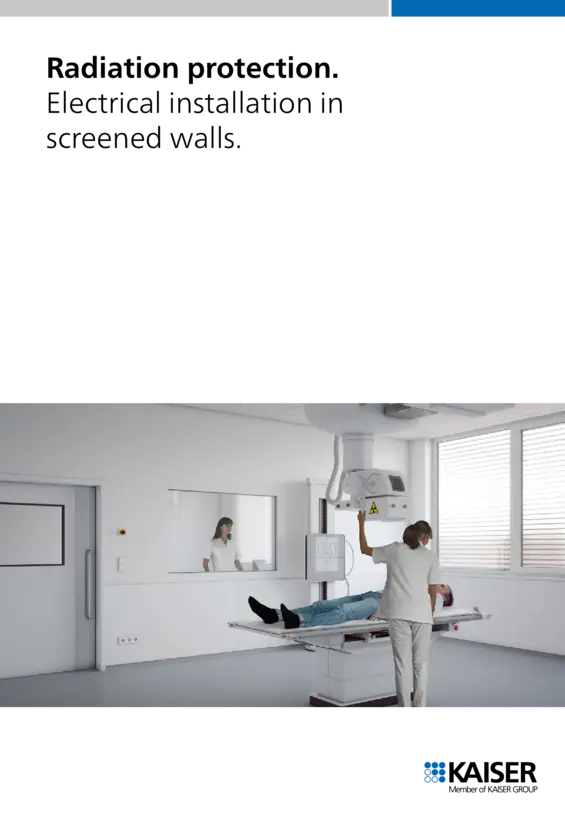
Radiation protection.
Electrical installations in radiation-protection walls.
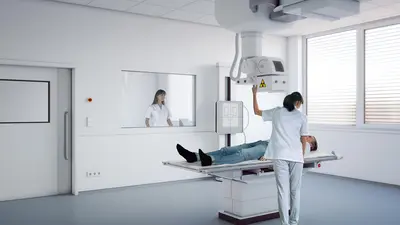
Radiation protection for electrical installations within radiation-protection walls is particularly challenging. Hospitals, doctors’ surgeries and similar facilities with X-ray or gamma equipment must shield adjacent rooms, as ionising radiation is harmful. Every installation opening compromises the protective function, which must then be laboriously restored. Standard lead encasings around electrical installation boxes require careful planning, as retrofitting screening in finished walls is not possible.
One-gang junction box for lead-free and lead-lined radiation protection walls
Regulations and standards
National and international legislation, such as the Radiation Protection Ordinance (StrlSchV) and the X-ray Ordinance (RöV), has been enacted to provide protection against X-ray radiation. The latter regulates protection against harm caused by X-rays, including in diagnostic and therapeutic contexts. Structural radiation protection is specified in DIN 6812 for medical X-ray equipment up to 300 kV. A distinction is made between utilised radiation, which is directed, and scattered radiation, which is dispersed in various directions.

Technical principles of radiation-protection walls
The required screening (lead layer thickness) depends on the type of radiation, room category, tube voltage and distance from occupied areas. Other materials are specified as lead equivalents. DIN 6812 sets out the relevant values. X-ray rooms must be fully shielded against radiation. Lead-lined lightweight walls are frequently used; however, lead-free radiation-shielding systems, such as Knauf Safeboard, are increasingly being employed.


Contact a technical adviser
Do you have any questions about our products and services? We’re happy to help. Please enter your postcode below to find the right contact person for your enquiries. In addition to the contact persons at KAISER’s head office, your local contact persons will also be displayed.