


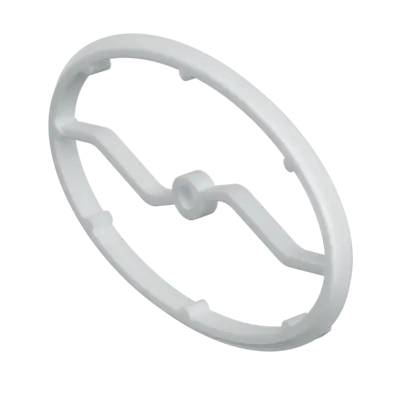














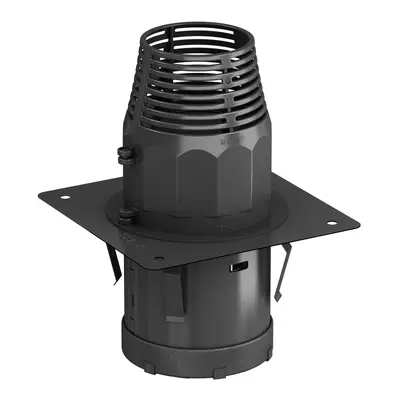












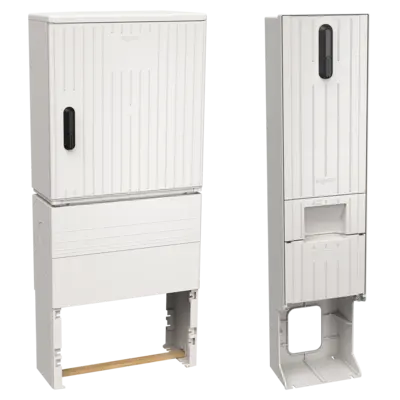


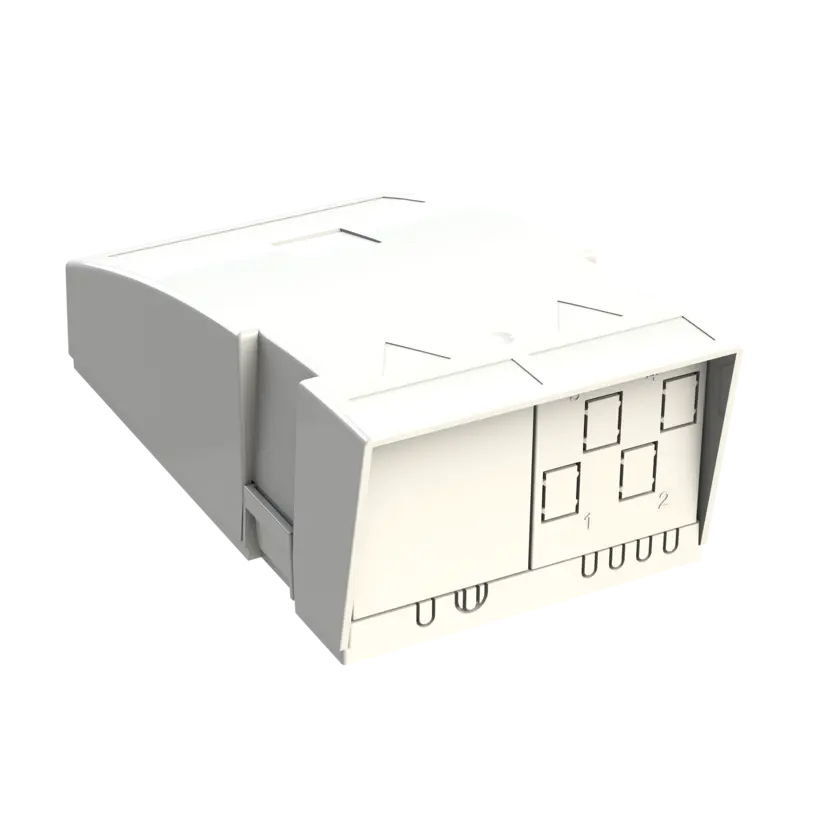
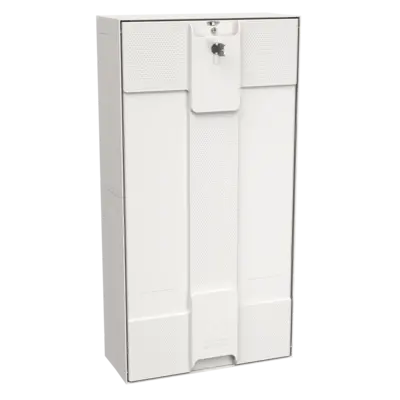
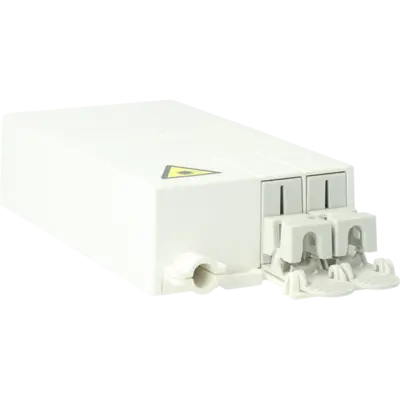



































telescope equipment carrier
system equipment carrier
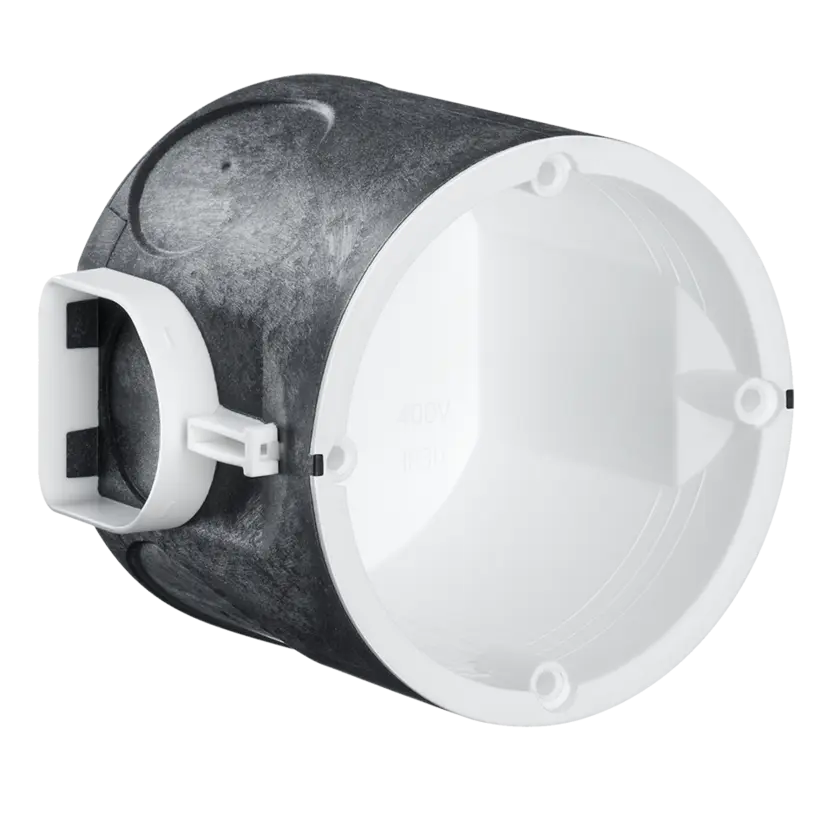
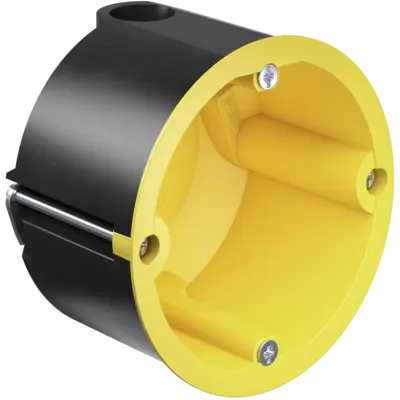
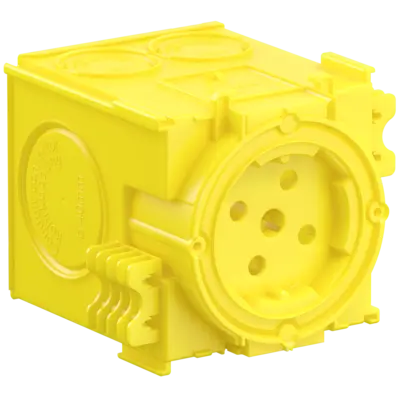
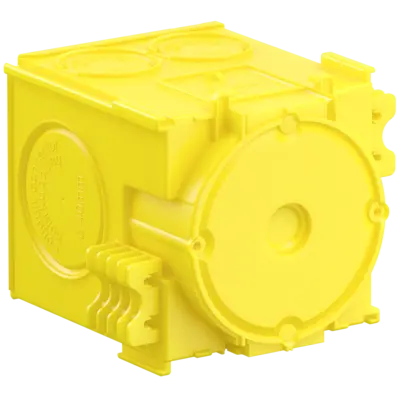
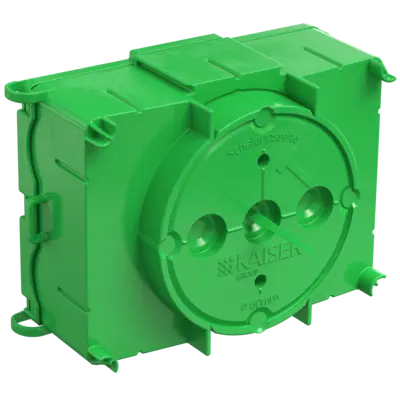
ECON® Styro55 one-gang junction box
HaloX® 180 for on-site mixed concrete
mini equipment carrier
ThermoX® Iso + installation housing
O-range ECON® Data
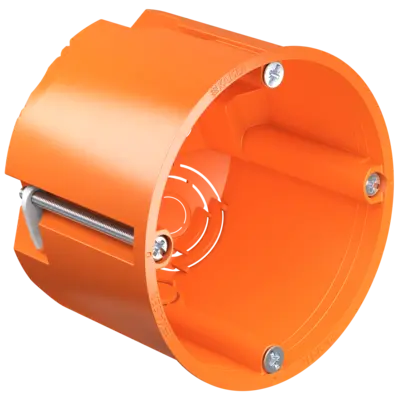
O-range ECON® 2 / 3 / 4 one-gang junction boxes
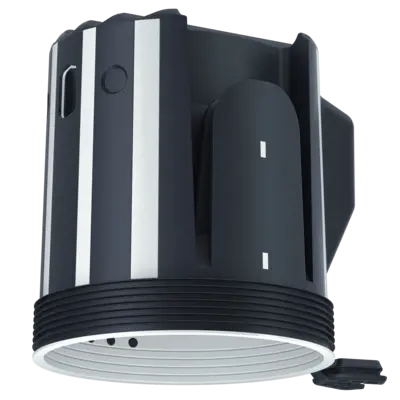
ThermoX® LED installation housing
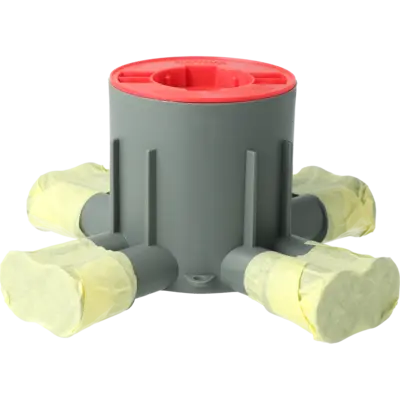
ECON® multi-seal air-tight sleeves

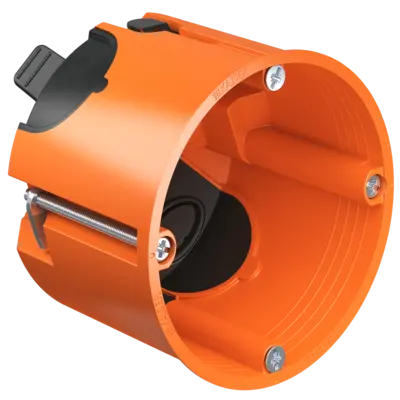
O-range ECON® Universal 120 installation housing
Electronic Dose O-range ECON® Flex

UP¹. Our best flush-mounting box.
Energy efficiency.
Electrical installations for energy-efficient buildings.
Future-proof building technology must meet architectural, functional and regulatory requirements whilst also being energy-efficient. With intelligent planning, modern technology and suitable materials, energy-saving potential can be optimally utilised. KAISER products support compliance with EU directives and the Building Energy Act (GEG) – for example, with air-tight ECON® boxes or thermal bridge-free solutions for façades and internal insulation, which prevent moisture damage and ensure energy efficiency.
O-range ECON® Fix
BASICS & INSTALLATION
Fundamentals | Legislation and Technology.
With rising energy prices, energy efficiency is becoming an increasingly important factor in assessing a building’s value. This applies to both new-build projects and refurbishment works (construction in the existing context). Furthermore, the requirements for the overall energy efficiency of residential and non-residential buildings were increased by 25 per cent with effect from 1 January 2016. Accordingly, thermal insulation must be approximately 20 per cent more effective. Top-floor ceilings in existing buildings must also be insulated if the horizontal roof is not insulated or does not meet the minimum thermal insulation requirements. The air tightness of buildings is defined not only in the GEG but also in DIN 4108-7.
The ‘Directive on the Energy Performance of Buildings’ sets out requirements at European level which have been transposed into national law in Germany through the 2005 amendment to the German Energy Conservation Act and the 2006 update to the GEG. The new Energy Saving Ordinance is based on the German Energy Conservation Act (EnEG), which came into force on 1 October 2007. With the amendments to the GEG in 2009 and 2014, the requirements – which are intended to promote economic efficiency and sustainability – have been raised even further.
In Austria, the EU Directive has been part of national law since August 2007, and in Switzerland, the ‘Efficiency Action Plan’ adopted in 2007 prescribes corresponding measures based on the EU Directive.
The energy performance certificate is a key component of the GEG and is mandatory for all buildings when they are sold, let or leased. It also assesses energy losses through the building shell and provides buyers and tenants with greater transparency regarding a property’s energy efficiency.
In Germany, the energy performance certificate has been mandatory for residential buildings since January 2009 and for non-residential buildings since July 2009. In Austria, this has applied to new buildings since January 2008 and to existing buildings since 2009. Switzerland introduced the Cantonal Energy Performance Certificate (GEAK) in October 2009, based on the EU Directives.

Air-tight and thermal bridge-free electrical installations.
A heat-insulating, air-tight building shell in accordance with DIN 4108 is necessary to meet the requirements of current regulations. In addition to the energy efficiency aspect, the air-tight building shell plays an important protective role for the building structure: when warm air within the structure comes into contact with cooler surfaces, it causes condensation to form. This can lead to moisture damage, including the growth of mould.
In lightweight or cavity wall construction, it is often moisture retardant foils or OSB panels that form the air-tight layer for the wall or ceiling. This must not be damaged by the electrical installation – neither by installation boxes or cable penetrations nor by operating resources operating at excessively high temperatures in the immediate vicinity. In particular, care must be taken to ensure that only electric cable or conduit entries designed for this purpose, with appropriate retention in accordance with DIN 60670-1, are used; otherwise, leakage could occur due to tensile stresses during installation, e.g. of switches or sockets. In solid-wall construction, the plaster on the inside of the wall forms the air-tight layer. Cavities and butt joints cut into by the electrical installation, as well as poorly executed penetrations, are weak points here, as they can allow leakage into the heated interior. Airtight and thermal bridge-free electrical installation.
When retrofitting internal insulation, it may be necessary to route the installation into the existing masonry due to the space required for switches and sockets. In addition to air tightness and the absence of thermal bridges, moisture control must also be taken into account here.
Airtight electrical installation products for cavity wall or flush-mounted installation are the only correct choice here to ensure that air tightness is maintained. The design and installation rules for an air-tight and thermal bridge-free electrical installation are set out in DIN 18015-5.
For installation through, within or on the airtight layer, KAISER offers suitable solutions for both cavity wall and flush-mounted installations, as well as for installation in cases of retrofitting of internal insulation.
In lightweight or cavity wall construction, it is often moisture retardant foils or OSB panels that form the air-tight layer for the wall or ceiling. This must not be damaged by the electrical installation – neither by installation boxes or cable penetrations nor by operating resources operating at excessively high temperatures in the immediate vicinity. In particular, care must be taken to ensure that only electric cable or conduit entries designed for this purpose, with appropriate retention in accordance with DIN 60670-1, are used; otherwise, leakage could occur due to tensile stresses during installation, e.g. of switches or sockets. In solid-wall construction, the plaster on the inside of the wall forms the air-tight layer. Cavities and butt joints cut into by the electrical installation, as well as poorly executed penetrations, are weak points here, as they can allow leakage into the heated interior. Airtight and thermal bridge-free electrical installation.
When retrofitting internal insulation, it may be necessary to route the installation into the existing masonry due to the space required for switches and sockets. In addition to air tightness and the absence of thermal bridges, moisture control must also be taken into account here.
Airtight electrical installation products for cavity wall or flush-mounted installation are the only correct choice here to ensure that air tightness is maintained. The design and installation rules for an air-tight and thermal bridge-free electrical installation are set out in DIN 18015-5.
For installation through, within or on the airtight layer, KAISER offers suitable solutions for both cavity wall and flush-mounted installations, as well as for installation in cases of retrofitting of internal insulation.

ECON® technology. Air-tight installation in cavity walls and masonry.
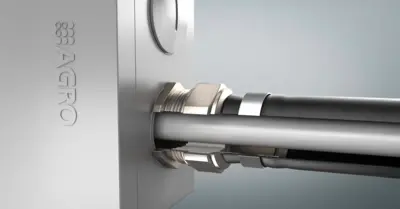
KAISER products featuring ECON® technology ensure an installation that is guaranteed to have high levels of air-tightness in accordance with DIN 18015-5, whether in lightweight or solid construction. The elasticity of the sealing membrane ensures that it fits tightly around the electric cable or conduit as it passes through. This prevents uncontrolled air flows and reliably avoids heat loss and building damage caused by the formation of condensation.
The toolless cable and conduit entry significantly simplifies the installation process and reduces the effort required, representing a cost-effective advantage of ECON® technology. The integrated cable retention feature of the new clamp technology meets all the requirements of DIN VDE 0100-520 and DIN EN 60670-1 for cavity wall boxes and guarantees certified safety. Products featuring ECON® technology are air-tight and ensure that unwanted heat loss through ventilation is prevented. In this way, ECON® makes an important contribution to meeting the requirements of the EU Energy Efficiency Directive and its transposition into national law. The guaranteed air-tight and installer-friendly ECON® technology is standard at KAISER for intelligent building installations. You will find this technology in various KAISER cavity wall and flush-mounting boxes, installation boxes for external thermal insulation composite systems, and in installation housings for air-tight electrical installations on the insulation level.
The toolless cable and conduit entry significantly simplifies the installation process and reduces the effort required, representing a cost-effective advantage of ECON® technology. The integrated cable retention feature of the new clamp technology meets all the requirements of DIN VDE 0100-520 and DIN EN 60670-1 for cavity wall boxes and guarantees certified safety. Products featuring ECON® technology are air-tight and ensure that unwanted heat loss through ventilation is prevented. In this way, ECON® makes an important contribution to meeting the requirements of the EU Energy Efficiency Directive and its transposition into national law. The guaranteed air-tight and installer-friendly ECON® technology is standard at KAISER for intelligent building installations. You will find this technology in various KAISER cavity wall and flush-mounting boxes, installation boxes for external thermal insulation composite systems, and in installation housings for air-tight electrical installations on the insulation level.

Installation without heat bridges. Secure fixing of equipment in or to external wall insulation.
The quality of external wall insulation depends primarily on the continuity of the insulation and the avoidance of heat bridges. Particular risks are posed here by extensions such as balconies or horizontal installations such as sockets, external switches and luminaires, motion detectors, intercoms or letterboxes. In addition to significant heat loss, heat bridges can also lead to building damage caused by condensation, and even to mould that is harmful to health.
Mechanically secure and thermal-bridge-free fixing to the insulated façade should provide a stable fit without damaging the insulation layer. KAISER offers a comprehensive programme of products for the secure and energy-efficient fixing of electrical appliances and components, as well as other components – including for retrofitting within or onto the insulated façade.
Composite thermal insulation systems (ETICS) are multi-layered façade structures that are now most commonly used for building insulation. KAISER products have been specially developed for ETICS and other standard systems on the market. They provide optimal and durable fit within these façades without compromising the insulating effect.
Thermographic images can very quickly reveal heat bridges in existing façades. A colour scale represents the surface temperature. The yellow and red areas indicate the points where a significant amount of heat is being exchanged. The exterior thermographic image above shows good insulation with external installation and no heat bridges. In interior images, the cold spots – i.e. the blue and dark colours – indicate the weak points in the building’s insulation.
Heat bridges are weak points in the building shell. Heat loss is significantly higher here than in the surrounding components. The better the thermal insulation of the components, the more significant the heat bridges become.
Mechanically secure and thermal-bridge-free fixing to the insulated façade should provide a stable fit without damaging the insulation layer. KAISER offers a comprehensive programme of products for the secure and energy-efficient fixing of electrical appliances and components, as well as other components – including for retrofitting within or onto the insulated façade.
Composite thermal insulation systems (ETICS) are multi-layered façade structures that are now most commonly used for building insulation. KAISER products have been specially developed for ETICS and other standard systems on the market. They provide optimal and durable fit within these façades without compromising the insulating effect.
Thermographic images can very quickly reveal heat bridges in existing façades. A colour scale represents the surface temperature. The yellow and red areas indicate the points where a significant amount of heat is being exchanged. The exterior thermographic image above shows good insulation with external installation and no heat bridges. In interior images, the cold spots – i.e. the blue and dark colours – indicate the weak points in the building’s insulation.
Heat bridges are weak points in the building shell. Heat loss is significantly higher here than in the surrounding components. The better the thermal insulation of the components, the more significant the heat bridges become.

Verification. Air tightness and absence of thermal bridges.
With rising energy prices, energy efficiency is becoming increasingly important when assessing a building’s value. This applies to both new builds and the renovation of existing buildings. Since the Building Energy Act (GEG) came into force on 1 November 2020, and following the amendments effective from 1 January 2023 and 2024, the requirements for the annual primary energy demand of new buildings have been further tightened. The permissible primary energy demand has been reduced to 55 per cent of that of the reference building. Furthermore, the use of renewable energy has been mandatory for the installation of new heating systems since 2024. Alongside thermal insulation, the air tightness of buildings remains a key component of the requirements, which are regulated in the GEG and in DIN 4108-7.
The ‘Directive on the Energy Performance of Buildings’ at European level has been transposed into German law by the GEG. The German Energy Conservation Act (EnEG) and the Energy Saving Ordinance (EnEV) have been replaced by the GEG, which continuously adapts the energy efficiency requirements for buildings in order to achieve climate targets.
The energy performance certificate assesses a building’s energy losses and remains a central component of the GEG; it is mandatory for all buildings when they are sold, let or leased. Since the GEG came into force in 2020, stricter requirements have applied to the reporting of primary energy and the use of renewable energy.
In Austria, the EU Directive on the Energy Performance of Buildings was transposed into national law in 2007, whilst Switzerland has operated the Cantonal Energy Performance Certificate (GEAK) since 2009, based on the EU directives.
The ‘Directive on the Energy Performance of Buildings’ at European level has been transposed into German law by the GEG. The German Energy Conservation Act (EnEG) and the Energy Saving Ordinance (EnEV) have been replaced by the GEG, which continuously adapts the energy efficiency requirements for buildings in order to achieve climate targets.
The energy performance certificate assesses a building’s energy losses and remains a central component of the GEG; it is mandatory for all buildings when they are sold, let or leased. Since the GEG came into force in 2020, stricter requirements have applied to the reporting of primary energy and the use of renewable energy.
In Austria, the EU Directive on the Energy Performance of Buildings was transposed into national law in 2007, whilst Switzerland has operated the Cantonal Energy Performance Certificate (GEAK) since 2009, based on the EU directives.

Products for solid walls


Products for cavity walls


Ceiling products

cable routing

Products for the façade


Contact a technical adviser
Do you have any questions about our products and services? We’re happy to help. Please enter your postcode below to find the right contact person for your enquiries. In addition to contacts from KAISER’s head office, your local contacts will also be displayed.